Shopify
Enterprise Commerce Components

Overview
As Principal at Shopify, I led the development and launch of a brand-new enterprise product. I built a team of 16 creatives responsible for naming, branding, and designing the entire product ecosystem from end to end—then launching it—all in 90 days. Much of this project remains under NDA, but here are the publicly available artifacts.
Problem
Shopify needed to enter the enterprise composable commerce market quickly and make a significant impact:
- Enterprise merchants needed modular, API-first commerce infrastructure
- Shopify's existing offerings weren't positioned for this market segment
- The company needed to make a splash at a major industry event (NRF) to establish credibility
- Timeline was extremely compressed—90 days to go from concept to launch
- The product needed both digital presence and physical activation to generate buzz
- Cross-functional alignment across 16 team members with varying experience levels
Goals
- Name, brand, and design an entirely new enterprise product in 90 days
- Create a physical activation that would generate industry buzz at NRF
- Build a scalable design system that could support the product long-term
- Launch with enough impact to immediately establish Shopify's credibility in the enterprise space
- Coordinate a large cross-functional team efficiently under extreme time pressure
Process
The team under my leadership designed, built, and deployed an RFID vending machine, first at the NRF Event in NYC, in partnership with Mattel and key Shopify merchants. We built a custom touch screen interface, shopping experience, window into the machine, and fun animations for our mystery box category (think a "surprise me" function).
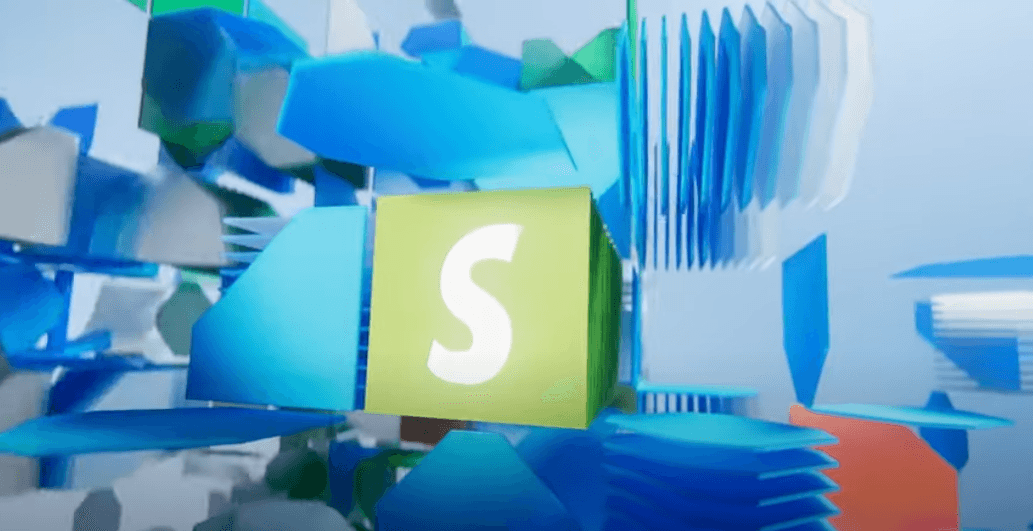
Telling the Story in 15 Seconds We shaped a 15-second spot to highlight the entire Shopify Commerce Components product for launch audiences. We had to articulate key features of the product in an animated format and distill complex concepts into simple language that was punchy, easy-to-follow, and translatable.
A Practical Launch We launched CCS with massive fanfare from our leadership and partners throughout the globe. We built an eBook system explaining core concepts and an animated site with key talking points within a matter of weeks.
Solution
A Digital Product that Literally Caused a Scene The machine used a one-time-use RFID card that would give you a spin at the machine to choose from a selection of categories (e.g., cooking, kids, adventure) and you would get an item—for free.
The machines were installed in several spots and at Shopify's live activation booth. The machine performed so well, despite the complexity of products and RFID in general, that lines formed not because it took so long, but because it became that popular.
Show organizers reported it was the most talked-about activation at the entire event, where we were up against celebrity appearances and massive giveaways from household names like Google, Amazon, and Microsoft.
Integrated Brand and Product Experience My hand-drawn storyboard became the backbone for all video and animation assets. Starting analog kept the team aligned on narrative before investing in production. The visual language had to work across digital product, physical activation, and marketing materials.
The design system we created for launch materials and the product itself enabled rapid iteration while maintaining consistency. Despite the NDA restrictions on showing much of the actual product, the launch materials, animations, and physical activation all reflected a cohesive design vision.
Result
Shopify Commerce Components was the first major product launch from Shopify since the pandemic boom for the company—and its greatest test. Our team pushed the company over the line and resulted in opening Shopify up to an entirely new segment by building the product that will serve large organizations for years to come.
Initial numbers aren't public, but the CCS launch resulted in Shopify acquiring more Gross Merchant Volume in initial engagements in 30 days than it had acquired in its first 13 years. The physical activation became a case study in product launch effectiveness, generating more conversation than activations from much larger competitors.
Gallery